 Shimira IT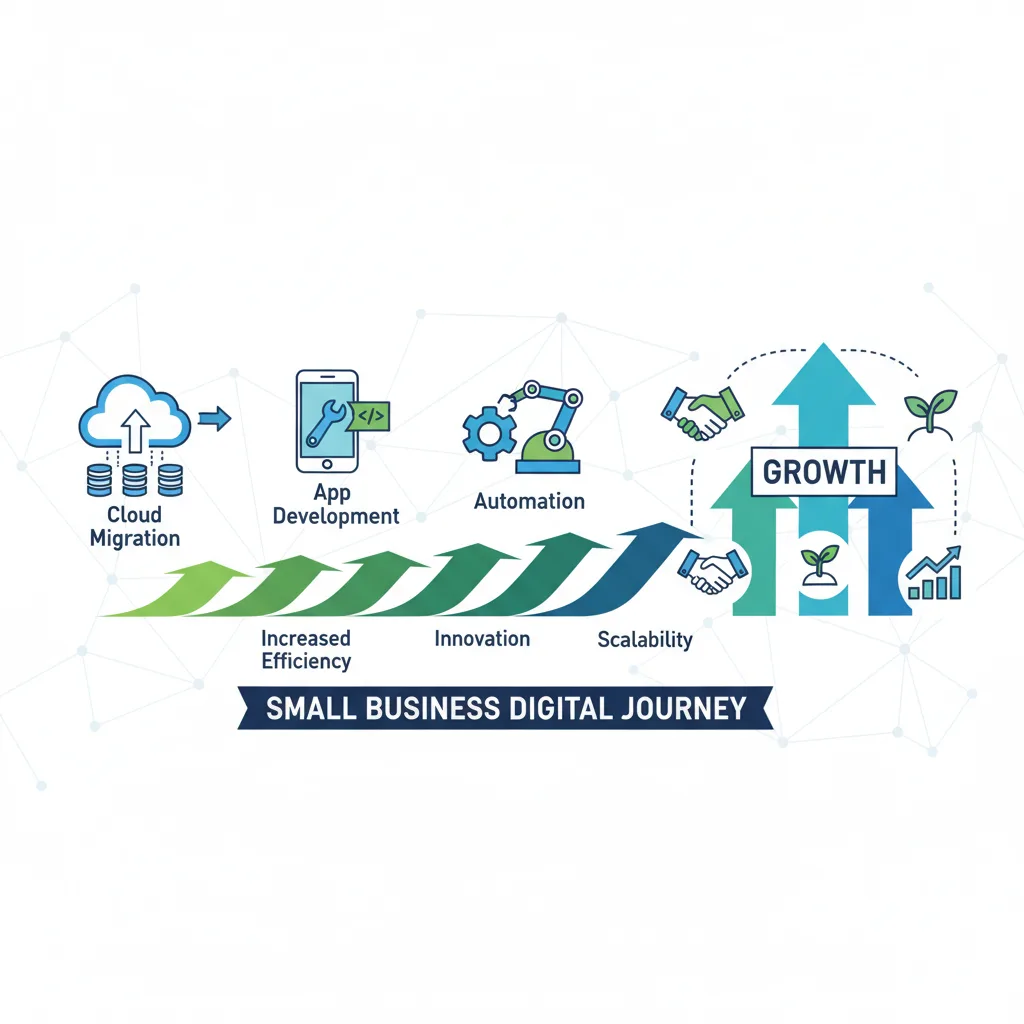
How Digital Transformation Helps Small Businesses Scale Fast in 2025: Your Complete Strategy Guide
The business landscape has fundamentally changed. 51% of businesses now cite growth opportunities as the primary driver for digital transformation, while 41% are motivated by competitive pressures. For small and medium-sized enterprises (SMEs), this shift isn't just about staying current—it's about survival and explosive growth in an increasingly digital marketplace.
As we navigate through 2025, SMEs that embrace digital transformation are experiencing unprecedented scalability, operational efficiency, and market expansion. The global cloud computing market alone is projected to reach $1,712.44 billion by 2029, representing a massive opportunity for businesses ready to modernize their operations.
Why Digital Transformation is Critical for SME Growth in 2025
Enhanced Operational Efficiency
Digital transformation enables SMEs to automate repetitive tasks and streamline workflows, significantly reducing operational costs and human error. By implementing cloud-based solutions, businesses can eliminate expensive on-premises infrastructure while gaining access to enterprise-level capabilities previously reserved for large corporations.
Improved Customer Experience and Retention
Modern customers expect personalized, responsive service across all touchpoints. Digital tools provide SMEs with deeper insights into customer behavior and preferences, enabling businesses to deliver tailored experiences that drive loyalty and increase lifetime value.
Market Expansion and Global Reach
Digital transformation breaks down geographical barriers, allowing SMEs to reach global audiences through e-commerce platforms, digital marketing, and cloud-based collaboration tools. This expanded reach directly translates to new revenue opportunities and accelerated growth.
Data-Driven Decision Making
Access to real-time analytics and business intelligence empowers SMEs to make informed decisions quickly. By utilizing analytics tools, businesses can minimize risks and ensure strategies align with market demands, leading to more successful outcomes and faster scaling.
Key Technologies Driving SME Growth in 2025
Cloud Migration Services
Cloud migration has become the cornerstone of digital transformation for SMEs. The cloud migration market is growing at an impressive 28.24% CAGR, driven by compelling benefits:
- Cost Efficiency: Eliminates hardware and maintenance costs through scalable, pay-as-you-go solutions
- Enhanced Collaboration: Enables real-time data sharing across any device, anywhere, supporting the 73% of workers who prefer hybrid work arrangements
- Improved Security: Cloud providers invest heavily in advanced security measures, with nearly half of IT experts observing enhanced security from cloud migration projects
- Business Continuity: Critical for SMEs, as 60% of small businesses fail within six months of a cyber-attack
AI-Powered Development Tools
Artificial intelligence is transforming software development, with the AI market expected to reach $1,591.03 billion by 2030. AI-powered development tools help businesses:
- Accelerate application development cycles
- Reduce coding errors and improve quality
- Automate testing and deployment processes
- Enable predictive analytics for better business insights
Low-Code/No-Code Platforms
These platforms democratize software development, allowing SMEs to create functional applications without extensive development teams. This approach enables faster MVP launches and empowers business teams to solve problems independently.
Strategic Implementation: Your Digital Transformation Roadmap
Phase 1: Assessment and Planning
Identify Business Goals: Establish clear, measurable objectives for your digital transformation initiative. Whether focusing on increasing sales, improving customer satisfaction, or expanding market reach, your goals must be specific and time-bound.
Conduct Infrastructure Assessment: Evaluate your current IT infrastructure to determine which applications and data should migrate to the cloud, identifying systems that need updating or replacement.
Phase 2: Technology Selection and Implementation
Choose the Right Cloud Provider: Select a provider that aligns with your specific needs, considering factors like security, compliance, scalability, and integration capabilities.
Develop a Comprehensive Migration Plan: Create a detailed roadmap outlining steps, timeline, and resources, ensuring all stakeholders are aligned to mitigate risks.
Phase 3: Execution and Optimization
Implement Proper Data Backup: Secure all crucial data before migration to prevent potential loss and ensure system restoration capabilities.
Test Before Full Migration: Validate functionality through pilot tests to identify and resolve issues, reducing downtime risks.
Overcoming Common Digital Transformation Challenges
Security and Privacy Concerns
While cloud providers implement stringent security measures, SMEs must understand their role in the shared responsibility model. Implement zero-trust security models and conduct regular security audits to protect sensitive data.
Staff Training and Change Management
Transitioning to digital solutions requires comprehensive staff training. Invest in employee development programs and create a culture that embraces continuous learning and adaptation.
Managing Migration Downtime
Careful planning and execution are crucial for minimizing business disruption. Choose optimal migration windows and maintain clear communication with stakeholders throughout the process.
Real-World Impact: Digital Transformation Success Metrics
SMEs implementing comprehensive digital transformation strategies typically experience:
- 20-30% reduction in operational costs through automation
- 40-50% improvement in customer response times
- 25-35% increase in revenue from new digital channels
- 60% faster time-to-market for new products and services
Choosing the Right Software Development Company
When selecting a software development company for your digital transformation journey, consider these critical factors:
- Proven expertise in cloud migration services and modern development frameworks
- Experience with SME-specific challenges and scalable solution architectures
- Comprehensive service offerings including custom web app development, mobile applications, and ongoing support
- Strong security practices and compliance knowledge
- Transparent communication and project management methodologies
Future-Proofing Your Business: Emerging Trends for 2025
Edge Computing Integration
As 5G and IoT technologies mature, edge computing is expanding into smart cities, healthcare, and manufacturing. Prepare your infrastructure to support low-latency edge environments.
Quantum Computing Readiness
While still emerging, quantum APIs and simulators are entering experimental projects in finance, logistics, and AI. Stay informed about quantum computing developments that could impact your industry.
Enhanced Cybersecurity Measures
Cybersecurity has shifted left in development processes, with security now embedded at every stage from planning to deployment. Implement robust security protocols and regular vulnerability assessments.
Frequently Asked Questions
Q: How long does digital transformation typically take for SMEs? A: Most SME digital transformation initiatives take 6-18 months for full implementation, depending on the scope and complexity. Cloud migration projects can often be completed within 3-6 months with proper planning.
Q: What's the average ROI for digital transformation investments? A: SMEs typically see ROI within 12-24 months, with cost savings of 20-30% and revenue increases of 15-25% being common outcomes for successful digital transformation projects.
Q: Do we need to replace all our existing systems at once? A: No, a phased approach is recommended. Start with high-impact, low-risk systems and gradually migrate other components. This minimizes disruption and allows for better change management.
Q: How do we ensure data security during cloud migration? A: Implement comprehensive backup strategies, choose reputable cloud providers with strong security certifications, use encryption for data in transit and at rest, and maintain proper access controls throughout the migration process.
Q: What if our team lacks technical expertise for digital transformation? A: Partner with an experienced software development company that specializes in SME digital transformation. Professional guidance ensures successful implementation while your team focuses on core business activities.
Ready to Scale Your Business with Digital Transformation?
The digital transformation journey doesn't have to be overwhelming. At Shimira IT Solutions, we specialize in helping SMEs navigate their digital transformation journey with customized solutions that drive real business growth.
Our comprehensive digital transformation services include:
- Strategic planning and roadmap development
- Cloud migration services with zero-downtime implementations
- Custom web app development tailored to your business needs
- AI integration and automation solutions
- Ongoing support and optimization
Contact Shimira IT Solutions today for a free digital transformation consultation and discover how we can help your business scale fast in 2025. Let's transform your operations, enhance your customer experience, and accelerate your growth together.