 Shimira IT
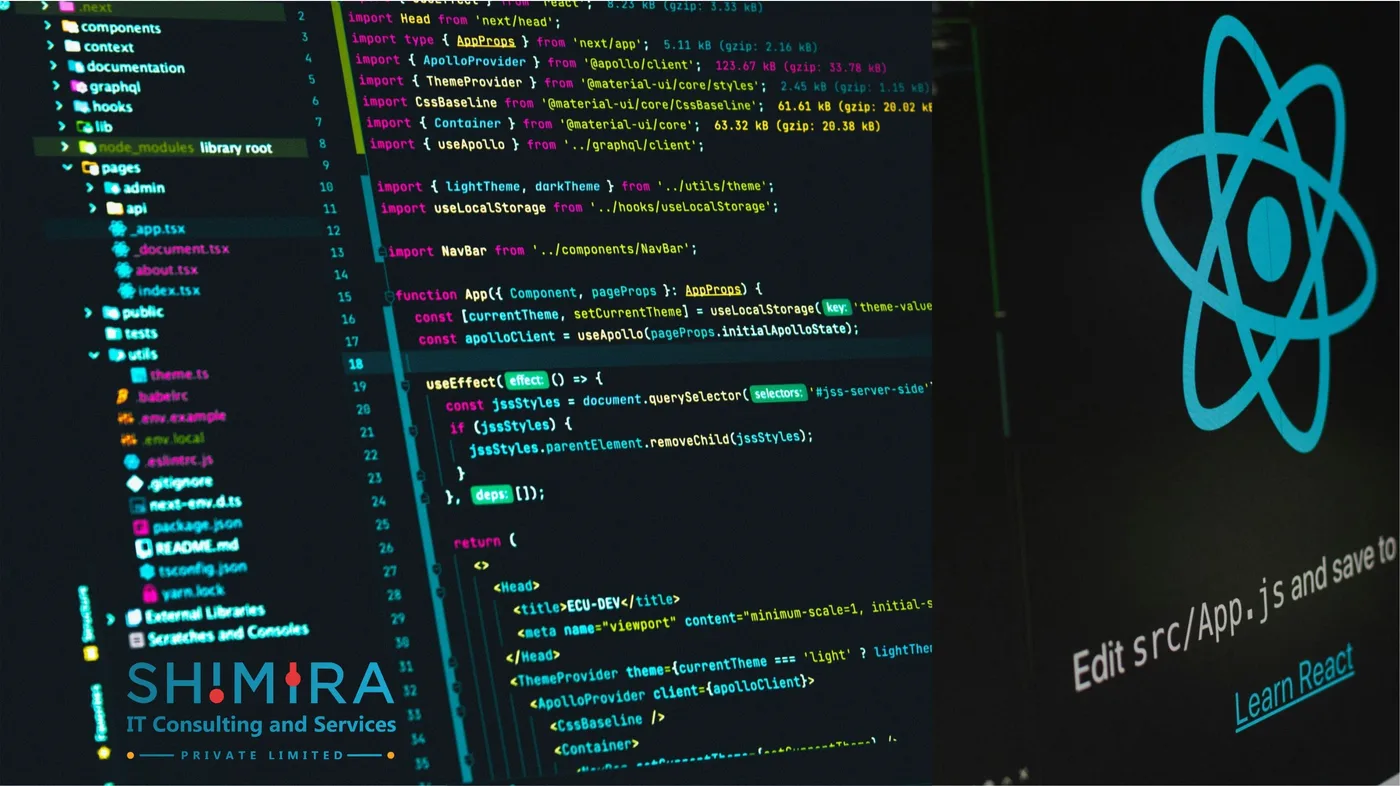
In the realm of frontend web development, React has carved out a dominant position. Since its debut by Facebook in 2013, it has rapidly become a favorite among developers and powers some of the most dynamic and interactive web experiences online. If you're embarking on a new web project or considering a shift in technology, it's well worth understanding why React stands out in a crowded field.
Let's delve into the compelling reasons behind React's immense popularity and examine why it might be the right framework to power your next web application.
1. Component-Based Architecture: Building Blocks of Reusability
The centerpiece of React's design philosophy is its emphasis on components. Think of components as self-contained, reusable pieces of UI. Each component encapsulates its own HTML, CSS, and JavaScript code, defining how a specific part of your application should look and behave.
Here's why this approach is powerful:
- Modularity: Components break down complex interfaces into manageable units. This makes your codebase more organized, maintainable, and easier to reason about.
- Reusability: A well-crafted component can be used in multiple places across your application. Imagine a 'Like' button, a product card, or a navigation bar – these can be defined once and reused, saving development time.
- Composability: Components can be nested within each other, enabling you to create rich user interfaces from simple building blocks. This hierarchical structure promotes clean code and a logical flow of data.
2. The Virtual DOM: Efficient Change Detection
One of React's core strengths lies in its intelligent approach to updating the actual browser DOM (Document Object Model). The DOM is a tree-like representation of your web page's elements. Directly manipulating it can be slow, especially for complex applications.
React's solution is the Virtual DOM. It's like a lightweight copy of the real DOM that React keeps in memory. When the underlying data for your application changes, React first updates the Virtual DOM. It then calculates the minimal set of changes needed for the real DOM and applies them with maximum efficiency.
Why does this matter?
- Performance: React minimizes direct interactions with the real DOM, leading to faster updates and smoother user interactions.
- Developer Experience: You focus on how your UI should look based on data, and React handles the optimizations behind the scenes.
3. JSX: Blending HTML and JavaScript
JSX is a syntax extension for JavaScript that, at first glance, might seem unusual. It allows you to write HTML-like structures directly within your JavaScript code. JSX offers several advantages:
- Expressive Power: You can reason about UI structure and logic within the same file, leading to more intuitive development.
- Component Focus: JSX reinforces the concept of components as encapsulated units of UI and behavior.
- Developer Familiarity: While JSX isn't strictly necessary, most React developers find it increases both their productivity and code readability.
4. Robust Ecosystem: Tools and Solutions
React is more than just a library – it's surrounded by a thriving ecosystem of tools and resources designed to streamline various aspects of web development:
- State Management: Libraries like Redux, Zustand, or Recoil handle complex application state in a predictable and scalable way.
- Routing: React Router makes it easy to manage navigation between different views in your application.
- Styling: Solutions from styled-components to CSS Modules give you a wide variety of ways to style your components.
- Testing: Jest and React Testing Library provide a strong foundation for testing React components and their behavior.
This rich ecosystem ensures you're not locked into a single approach, allowing you to find tools that perfectly fit your project's needs.
5. Unidirectional Data Flow: Predictability and Ease of Reasoning
React enforces a unidirectional data flow, often referred to as "Flux" architecture. In this pattern, data changes originate in a single source, typically the component state, and then propagate downwards through the component hierarchy. This approach offers several benefits:
- Predictability: Data changes are easier to trace and debug since they follow a well-defined path.
- Testability: Testing becomes more straightforward because you can isolate components and predict their behavior based on state changes.
- Reduced Complexity: Unidirectional data flow promotes simpler code that's less prone to errors and unexpected behavior.
6. A Strong Community and Learning Resources
React boasts a passionate and highly active developer community. This translates to several advantages for you:
- Extensive Documentation: The official React documentation is comprehensive, well-written, and kept up-to-date.
- Tutorials and Articles: Countless tutorials, articles, and blog posts cater to all experience levels, offering guidance and in-depth explanations.
- Active Forums and Stack Overflow: When you encounter challenges, a wealth of online forums and resources like Stack Overflow are available for quick troubleshooting and assistance.
- Open-Source Libraries: The vast number of open-source libraries built on top of React provide pre-built solutions for common tasks, saving you time and effort.
A strong community not only empowers your development journey but also ensures that React remains at the forefront of innovation, with ongoing advancements and library updates.
7. Adaptable to Various Project Scopes
React's flexibility makes it suitable for projects of all sizes and complexities. Here's where it shines:
- Small-Scale Applications: Need to build a quick landing page or a simple web application? React's core features are easy to grasp and enable rapid development.
- Large-Scale Applications: React scales well with complex features and large codebases. Its component-based structure promotes maintainability and organization even in sizeable projects.
- Single-Page Applications (SPAs): React is a perfect fit for building SPAs that offer a seamless user experience without full page reloads.
This adaptability makes React a versatile choice, regardless of your project's specific requirements.
8. Learning React Benefits Your Overall JavaScript Skills
Beyond its framework-specific aspects, learning React strengthens your core JavaScript skills in several ways:
- Functional Programming Concepts: React heavily utilizes functional programming paradigms like pure functions and immutable state. This fosters a more predictable and maintainable development style.
- Modern JavaScript Features: React encourages the use of ES6+ features like arrow functions, classes, and modules. This equips you with the latest and most powerful tools in the JavaScript landscape.
- Code Reusability: With React, you'll inherently focus on building reusable components, a skill valuable in general JavaScript development.
Investing in React not only empowers you with a popular framework but also enhances your broader JavaScript skillset.
Conclusion: Why Choose React? A Powerful Tool for Modern Web Development
React's popularity is well-deserved. It offers a compelling combination of features that streamline development, promote efficient code, and foster a positive developer experience. Here's a quick recap of the reasons to choose React for your next project:
- Component-Based Architecture: Encourages reusability, modularity, and composability.
- The Virtual DOM: Efficiently updates the browser DOM for smooth user interactions.
- JSX: Improves readability and developer experience.
- Robust Ecosystem: A wealth of tools and libraries support various aspects of development.
- Unidirectional Data Flow: Predictable, easy-to-reason-about data management.
- Strong Community and Learning Resources: Extensive support and guidance are readily available.
- Adaptable to Various Project Scopes: Suitable for small and large-scale projects.
- Benefits Overall JavaScript Skills: Enhances core JavaScript understanding and best practices.
By leveraging the strengths of React, you can build dynamic, user-friendly web applications that are not only performant but also maintainable and scalable. So, if you're looking for a powerful and versatile framework that can take your web development skills to the next level, React is definitely a compelling choice to consider.